News and Events
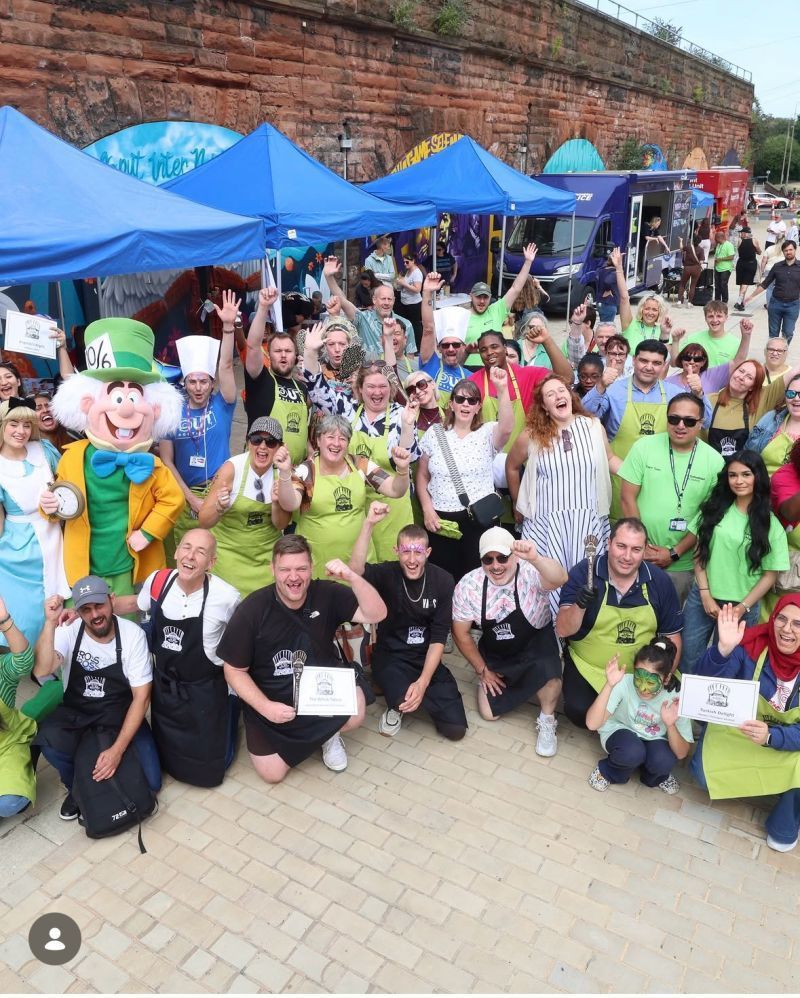
Summer food fun in Gateshead Town Centre
July's Newsletter: Beyond Foodbanks
Feeding Britain’s National Network Gathering: Event Report
Beyond Foodbanks: Feeding Britain’s National Network Gathering
Gateshead Food Partnership Newsletter May 2026
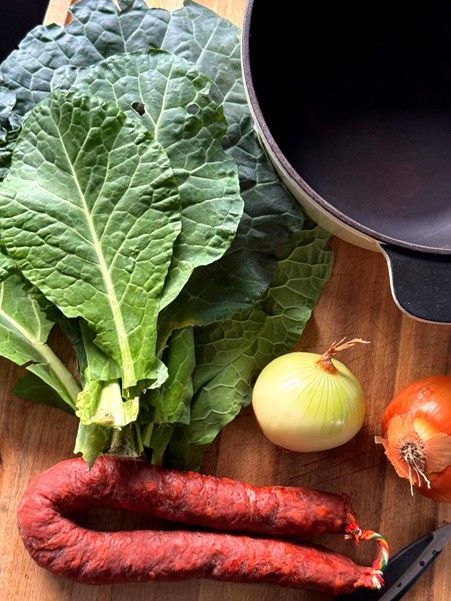
Portuguese Greens Soup (Caldo Verde)
This is a subtitle for your new post
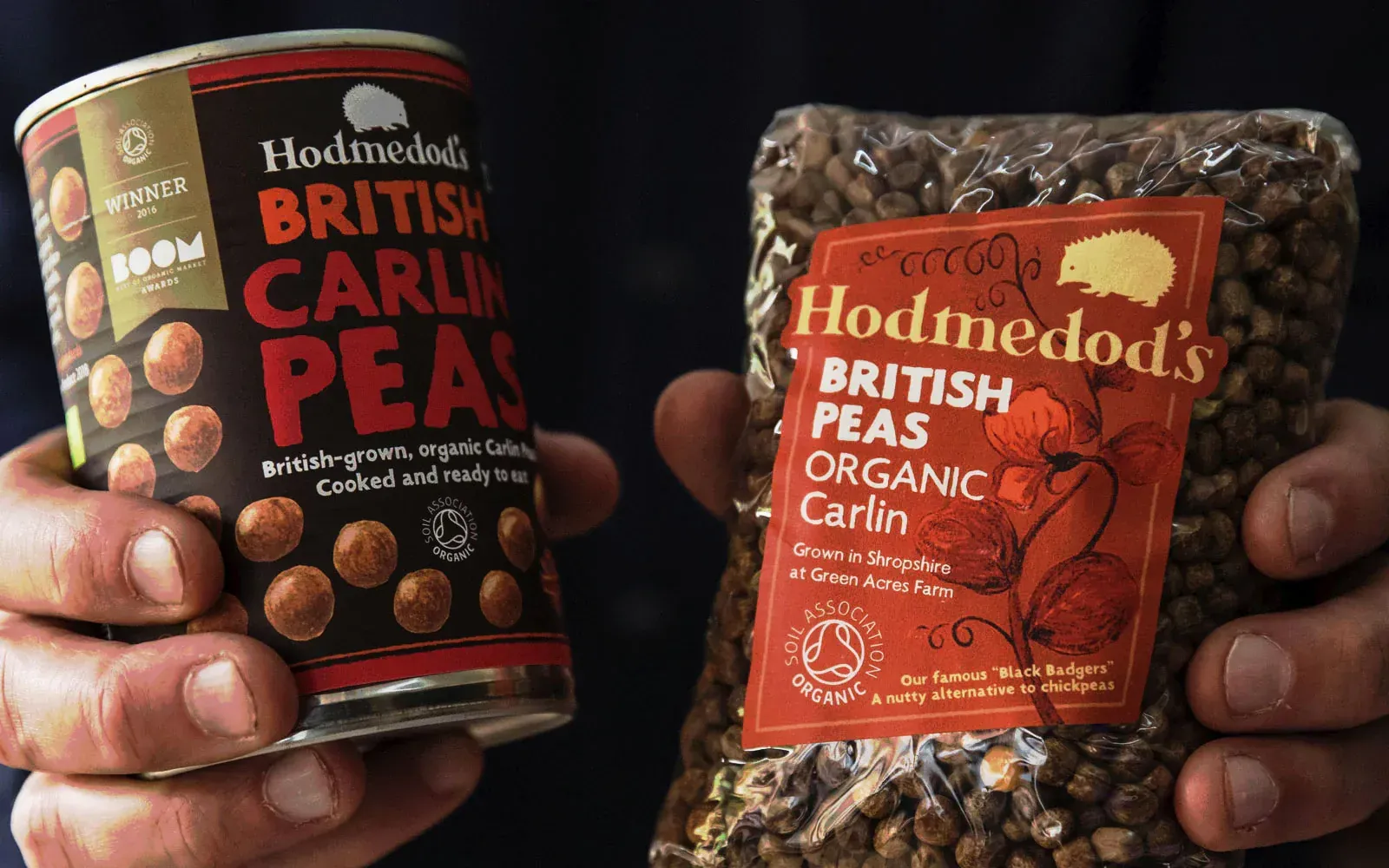
The humble Carlin Pea, once a staple of northern kitchens and celebrations, is stepping back into the spotlight as cooks, growers and communities rediscover its flavour, history and potential. Last Sunday was Carlin Sunday : the fifth Sunday in Lent is known as “Carlin Sunday” in the North East, when these peas are traditionally eaten, normally as parched peas - boiled and served doused in salt and vinegar. This custom is unique to the region, and we want to keep the tradition alive. A Pea With Deep Northern Roots Carlin peas , sometimes known as black peas or maple peas, have been part of northern food culture for centuries. Their story stretches from medieval monastic gardens to the famous Newcastle siege of 1644, when a shipment of Carlins is said to have saved the city from starvation. Parched peas have been served on Carlin Sunday for generations: do you have any memories of this as a child?! Delicious, Nutritious and Surprisingly Versatile Beyond the folklore, Carlins are great to cook with. High in protein, fibre and iron, they’re hearty and delicious. Their flavour is nutty and earthy, similar to chickpeas but richer, and they hold their shape beautifully in cooking, so you work just as well in a classic bowl of parched peas as they do in modern dishes: curries, salads, stews, even a Carlin pea paella. The Hodmedod's Website has loads of great recipe ideas for you. Good for the Soil and Good for the North Like other legumes, Carlin peas fix nitrogen in the soil, reducing the need for fertilisers and supporting regenerative farming. Many northern farms already grow peas and beans to improve soil health, but much of this crop ends up fed to livestock or ploughed back into the ground. Reviving Carlins for human food could diversify local agriculture, support farmers, and build a more resilient regional food system that relies less on imported food and animal proteins. Food of past, present, and future The tradition of eating Carlin peas is fading in many places, even in their heartlands. Reviving them is about valuing the rich food culture of the North, celebrating ingredients that tell our story, but it is also about celebrating our present and future diverse communities, making opportunities to connect through shared dishes. Carlins (and other peas and beans) feature in recipes around the world, from dal to hummus to foul medames, making them a perfect ingredient for inclusive community food events. Mick Marston, who is a member of Gateshead Food Partnership Steering group, has been engaging local groups to spread the message of carlin peas and encourage more groups to grow. He will share more on this next month.
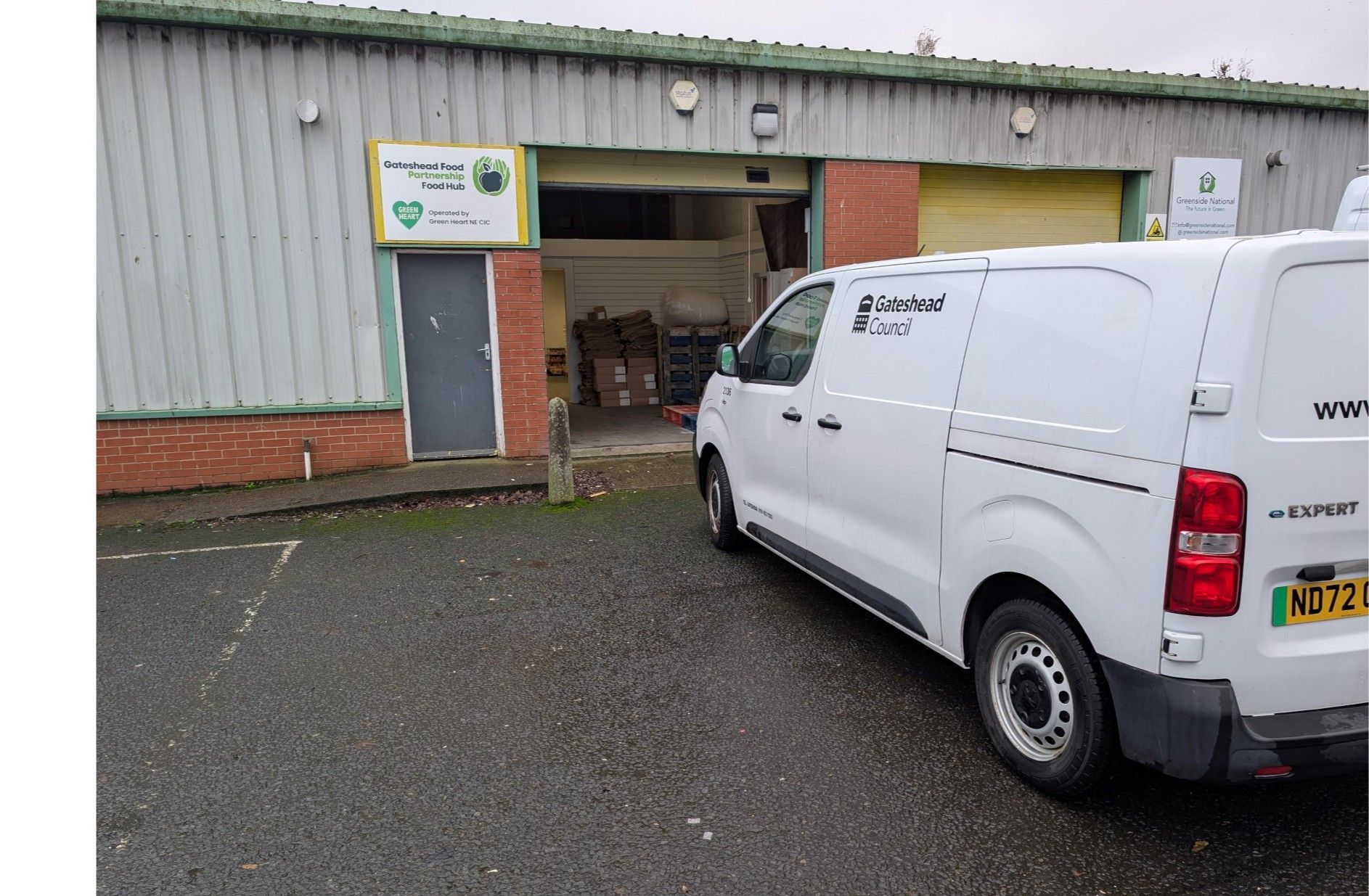
In October 2024, Gateshead Food Partnership and Green Heart NE CIC came together to trial a food hub pilot in Gateshead, aiming to make it easier and cheaper for organisations to purchase food for their community food projects. The Gateshead Food Hub works by purchasing food in bulk at wholesale prices and delivering it in our electric van to community projects free of charge, supporting them to make their funding and donations go further. The project has now supplied more than 20 organisations across the borough with a newly set up food ordering system. It has also been able to provide an ad-hoc service distributing free food and other goods between organisations committed to reducing food waste in the North East, including REfUSE in Chester-Le-Street and Olio collectors in Gateshead. Following the successful pilot, the project is now able to be extended with the help of local charity Feeding Families. Food pantries, community kitchens and other social impact food projects in Gateshead can continue ordering through the established system, and with support from Feeding Families, the project will be rolled out further across the region. One of Gateshead's Food Charter aims is that Gateshead is a place where everyone has access to healthy, nutritious and affordable food, moving from reliance on food aid to food justice and resilience. The Food Hub project has a longer-term aim to become a way to distribute sustainable, locally sourced, good food for North East charities and communities. The move to Feeding Families comes alongside the beginnings of a new 'Food Justice Network', aiming to work supportively and in partnership with local projects to help reduce the demand for emergency food provision, move away from traditional food banking and towards more dignified, sustainable models of community food provision. Councillor Maria Hall, cabinet member for Localities, Communities and Volunteering at Gateshead Council, said: “We are so grateful to Green Heart for their work to establish this scheme. I am delighted that the trial in Gateshead, led by our Food Partnership Coordinator Nikki Dravers and funded through our UK Shared Prosperity Fund, has resulted in Feeding Families picking up the project to scale up across the region. Everyone should have access to affordable food, and we need to do everything we can to support families that are struggling in our area.” Andy Redfern, founder of Green Heart NE CIC, said : “The success of the Food Hub, with the support of Gateshead Council, is largely due to adapting different approaches to food supply until a sustainable model was found. I am excited to see Feeding Families take this project forward, allowing it to grow to the next level.” Wayne Dobson, Chief Executive of Feeding Families, said: “We are passionate about getting nutritious food into the hands of those who need it. By working together across the region and using Feeding Families UK scale in purchasing power, distribution and logistics, we can support thousands of families struggling with the cost of living. We are thankful for the great foundation laid out by Green Heart and aim to build on the shared vision of releasing people from food insecurity.” To find out more about how to get involved with the Gateshead Food Partnership, follow our social media channels or sign up to our newsletter by signing the Food Charter. To find out more about the organisations supporting people to access affordable food in Gateshead, visit Affordable food | OurGateshead or this document maintained by Gateshead Food Bank
This is a subtitle for your new post